General Health
Probiotics for Histamine Intolerance
Histamine intolerance (HIT) is a clinical pattern of symptoms attributed to an imbalance between dietary and endogenously produced histamine and the body’s ability to metabolise it. Symptoms may include gastrointestinal discomfort, headaches, flushing, nasal symptoms, and skin reactions. Interest in the role of probiotics for histamine intolerance has grown due to the importance of gut microbiota in histamine metabolism and immune regulation.
- Probiotic strains and histamine intolerance
- What is histamine?
- How is histamine metabolised?
- Histamine intolerance
- What causes histamine intolerance?
- Summary: histamine intolerance and probiotics
Probiotic strains and histamine intolerance
Probiotic effects on histamine metabolism are strain-specific. One strain may degrade histamine or modulate immune activation, while another strain, even within the same species, may produce histamine. In order to form histamine from histidine (a common amino acid) strains need to be able to express histidine decarboxylase enzyme. Production of biogenic amines including histamine is a strain-specific feature, and therefore not something that applies to all strains within one species. If the strain does not have the necessary genes, it can't form the biogenic amines.
Probiotic strains which have been confirmed not to express histidine decarboxylase are suitable for those with histamine intolerance.
Tentative in vitro research has identified certain strains with this action, such as the Lactobacillus plantarum D-1033, Lactobacillus rhamnosus GG® strain4. Those probiotic strains like L. rhamnosus GG®, which appear to have a positive effect on histamine intolerance symptoms, do so by downregulating the IgE and histamine receptors, up-regulating anti-inflammatory agents in the gut therefore helping reduce intestinal permeability or pathogenic bacteria from adhering to the gut wall5-8.
A mechanistic study in human mast cells showed that Lactobacillus rhamnosus strains (LGG® and Lc705) downregulated expression of high-affinity IgE receptor (FCER1) and histamine H4 receptor (HRH4), while upregulating anti-inflammatory gene expression, suggesting potential modulation of histamine-mediated responses4. This provides a plausible pathway through which specific probiotics might attenuate histamine-related immune activation, but these findings are based on cellular models, not clinical outcomes in HIT patients.
Based on the limited research so far which has looked at the role of probiotics in histamine intolerance, the strains considered to be beneficial because they are thought to downgrade biogenic amines such as histamine are those that sit within species Lactobacillus rhamnosus, Bifidobacterium infantis, Bifidobacterium longum, Lactobacillus plantarum, and Lactobacillus reuteri13. However, as already noted, probiotic effects are always strain-specific, so it's important to look at the research on individual strains.
What is histamine?
Taking a step back, let’s explain what histamine is. Histamine is a chemical involved in the immune system and central nervous system. It also stimulates stomach acid secretion and gut motility, which is crucial for proper digestive function. Histamine's role in the body is to cause an immediate inflammatory response to stimuli, e.g. infection, insect bites and dust mites. It is released mainly by mast cells and serves as a red flag for the immune system, notifying the body of any potential attackers and causing blood vessels to swell, or dilate, so that white blood cells can quickly find and attack the infection or problem. This is a natural immune response.
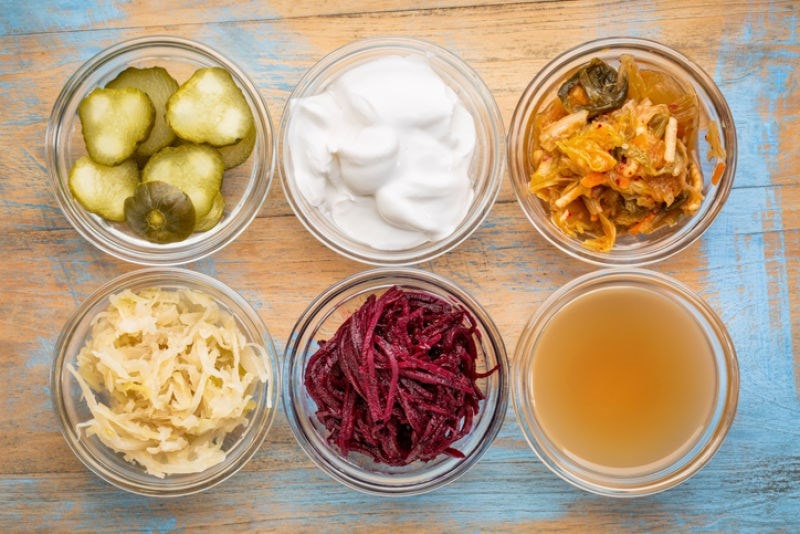
Fermented foods, such as sauerkraut, tend to contain a high level of histamine.
How is histamine metabolised?
In addition to histamine produced in the body, there are also foods which contain it and foods which inhibit the enzyme which breaks it down. Histamine is broken down by various enzymes according to where it is in the body. However, the American Journal of Clinical Nutrition claims that Diamine Oxidase (DAO) is the main enzyme for breaking down ingested histamine, so if you have a lack of this, you are more likely to have an intolerance.1,2 In addition, alcohol and certain medications such as nonsteroidal anti-inflammatory drugs (NSAIDs), some antibiotics, and antidepressants can also release histamine or inhibit the activity of DAO.1
Histamine is also able to be broken down by the enzyme Histamine-N-methyltransferase (HNMT). Research indicates that this enzyme is primarily responsible for intracellular degradation14.
Histamine intolerance
While histamine serves important physiological functions, accumulation can exacerbate symptoms in susceptible individuals. Histamine is inflammatory and a build-up can cause headaches and leave people feeling flushed, itchy and miserable. If you don’t break down histamine properly, you could develop what is called histamine intolerance, which is fundamentally a result of an imbalance between the breakdown of histamine and its build up. So, histamine is not necessarily ‘bad’, it has an important role to play in the body, but when too much of it is present it can be problematic in some individuals.
What causes histamine intolerance?
There are many possible causes, including consuming a high intake of histamine-rich foods and a lack of DAO, as already discussed, for histamine intolerance. Intestinal permeability (‘leaky gut’) and small intestinal bacterial overgrowth (SIBO) have been proposed as contributors to histamine overload by disrupting enzymatic activity and promoting excessive histamine production by microbes. Therefore, a disturbance in the gut microflora could play a significant role in creating histamine intolerance.
The composition of gut microbiota influences histamine dynamics. Some bacteria possess histidine decarboxylase, enabling them to produce histamine, while others may degrade histamine or support gut barrier function. Emerging research suggests certain microbial patterns may be associated with HIT and that dietary modification can impact histamine-secreting taxa.
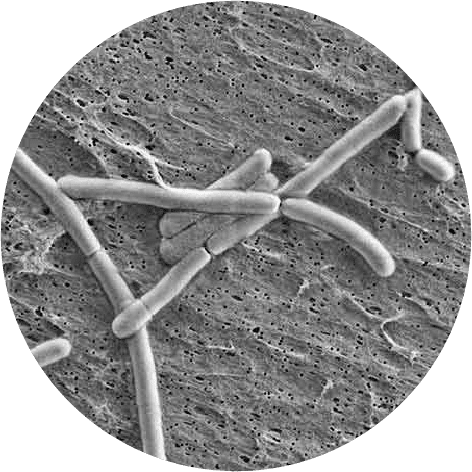
Strains such as Lactobacillus rhamnosus GG® (pictured above) appear to have a positive effect on histamine intolerance symptoms
You may find in practice that most people with histamine intolerance tend to have imbalanced gut microflora. Gut infection and overgrowth of certain gram-negative bacteria such as Escherichia coli and Salmonella typhimurium can lead to increased histamine release.9,10 Therefore, imbalanced gut microflora can contribute to histamine overload. Moreover, as the production of DAO enzyme that breaks down histamine occurs mainly in the gut, having gastrointestinal damage may lead to reduction in the enzyme activity.11
Another thing to consider is that both histamine intolerance and allergies may be linked to compromised gut health, as 70% of the immune system is believed to reside in the gut, and our gut bacteria are thought to be an integral part of the immune response. It has been shown that histamine-producing microbes are present within the human gut microbiota and their levels are increased in asthma patients.12 So it’s also worth considering supporting all-round intestinal health with powerful probiotic strains such as Lactobacillus acidophilus NCFM®, Bifidobacterium lactis BI-04 and B. lactis HN019. Whilst none of these strains are thought to downgrade histamine, they are not histamine-producing strains, and therefore should be fine for anyone with histamine issues to take.
Summary: histamine intolerance and probiotics
- Supporting gut health is the top priority to manage histamine intolerance. Therefore, rebalancing the gut microflora and improving gut integrity is the key first step.
- As all health practitioners know, everyone is different, so finding the right probiotic strain may involve a little trial and error.
- Lactobacillus rhamnosus GG (LGG) is considered one of the most beneficial probiotic strains for people with histamine intolerance. Its primary benefit is histamine regulation
To review the research that supports the world’s leading probiotic strains - take a look at our Probiotics Database.
References
- Maintz, L and Novak, N. (2007) Histamine and histamine intolerance. Am J Clin Nutr. 85(5):1185-1196.
- Izquierdo-Casas, J. et al. (2018) Diamine oxidase (DAO) supplement reduces headache in episodic migraine patients with DAO deficiency: A randomized double-blind trial. Clin Nutr. doi: 10.1016/j.clnu.2018.01.013. [Epub ahead of print].
- Kung, HF. et al. (2017) Degradation of histamine by Lactobacillus plantarum isolated from Miso products. J Food Prot. 80(10):1682-1688. doi: 10.4315/0362-028X.JFP-17-135.
- Oksaharju, A. et al. (2011) Probiotic Lactobacillus rhamnosus downregulates FCER1 and HRH4 expression in human mast cells. World J Gastroenterol. 17(6): 750-759. doi: 10.3748/wjg.v17.i6.750.
- Deepika Priyadarshani, W. M. and Rakshit, S. K. (2011), Screening selected strains of probiotic lactic acid bacteria for their ability to produce biogenic amines (histamine and tyramine). Inter J Food Sci & Tech. 46: 2062–2069. doi: 10.1111/j.1365-2621.2011.02717.x
- Capozzi, V. et al. (2012) Biogenic Amines Degradation by Lactobacillus plantarum: Toward a Potential Application in Wine. Front Microbiol. 2012; 3: 122. Published online Apr 2, 2012. Prepublished online Mar 4, 2012.doi: 10.3389/fmicb.2012.00122
- Spiller, R. (2008), Review article: probiotics and prebiotics in irritable bowel syndrome. Alimentary Pharmacology & Therapeutics, 28: 385–396. doi: 10.1111/j.1365-2036.2008.03750.x
- Dev, S. et al. (2008). Suppression of histamine signaling by probiotic Lac-B: a possible mechanism of its anti-allergic effect. J Pharmacological Sci. 107(2), 159-166
- Krämer, S. et al. (2008). Selective Activation of Human Intestinal Mast Cells by Escherichia coli Hemolysin. J Immunol. 181 (2) 1438-1445. doi.org/10.4049/jimmunol.181.2.1438.
- Hung, CR. (2005) Modulation of gastric hemorrhage and ulceration by oxidative stress and histamine release in Salmonella typhimurium-infected rats. Inflammopharmacology. 13(1-3):235-48.
- Fukudome, I., et al. (2014). Diamine oxidase as a marker of intestinal mucosal injury and the effect of soluble dietary fiber on gastrointestinal tract toxicity after intravenous 5-fluorouracil treatment in rats. Med Moleculular Morphol. 47(2): 100-7. doi: 10.1007/s00795-013-0055-7.
- Barcik, W. et al. (2017) Immune regulation by histamine and histamine-secreting bacteria. Current Opinion in Immunology. 48:108-113. doi: 10.1016/j.coi.2017.08.011.
- Thomas CM, et al. (2012) Histamine Derived from Probiotic Lactobacillus reuteri Suppresses TNF via Modulation of PKA and ERK Signaling. PLoS ONE 7(2): e31951. doi:10.1371/journal.pone.0031951
Popular Articles
View all General Health articles-
![]() General Health13 Feb 2024
General Health13 Feb 2024